Thank you for sharing this perspective, in particular relevant to the renewed escalation risks in the Middle East.
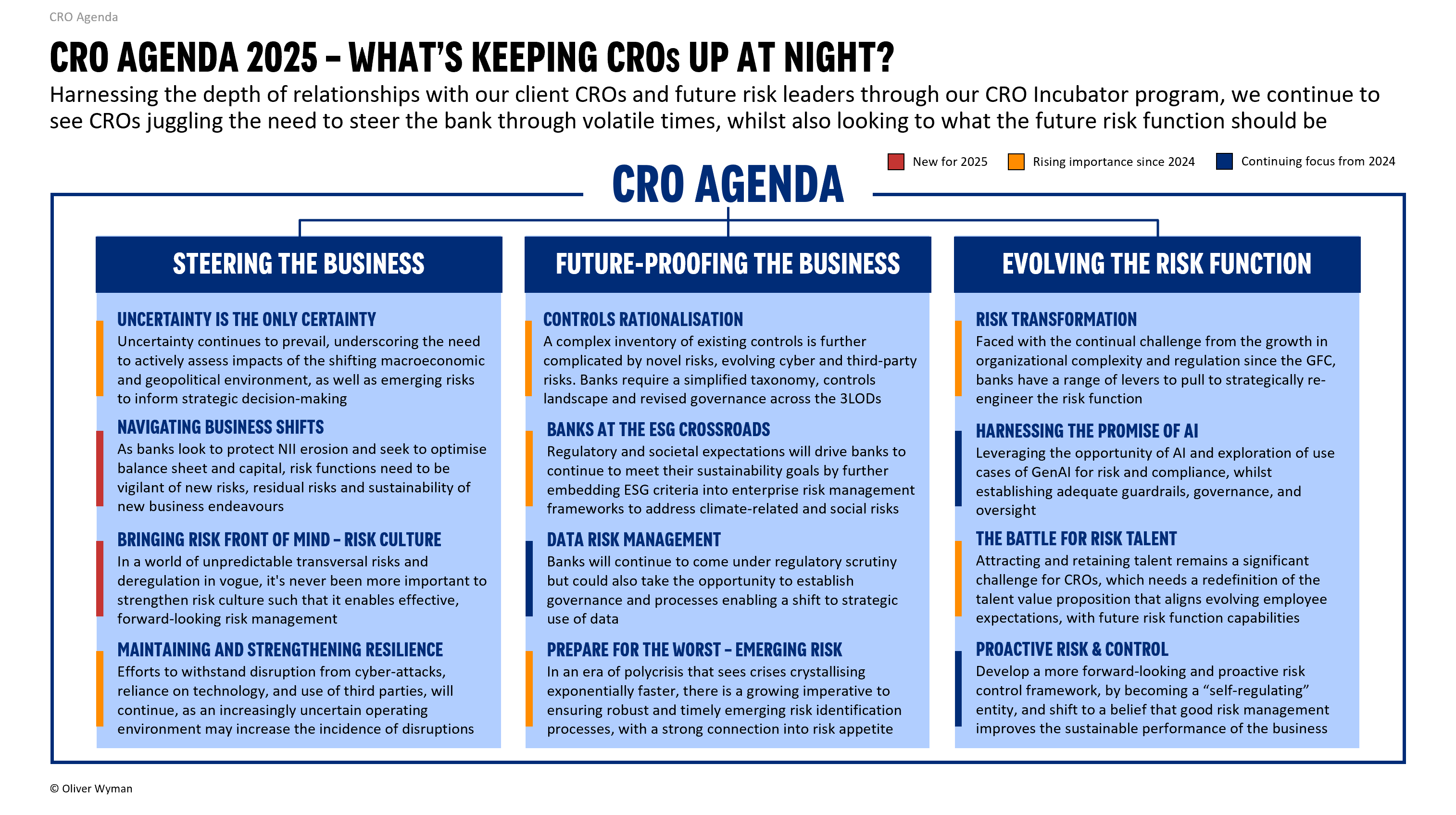
One aspect I’ve observed in political environments is the tension between slow-moving shifts (regulatory alignment, trade realignment, political rhetoric) and sudden escalation events. Scenario planning often captures acute shocks well, but it can be harder to incorporate cumulative geopolitical events that shift operating conditions before a crisis fully materialises.
I would be interested to hear how institutions are balancing these two dynamics in practice. For example, when boards are seeking frequent updates during periods of heightened uncertainty.
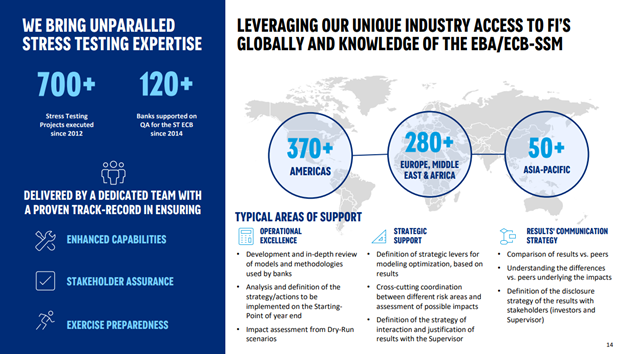
In the context of Mr Duff's proposal, I would support another idea involving a broader set of voices, including those closer to geopolitical analysis or public policy. Externals can help to stress-test hypotheses and internal assumptions, and ultimately reduce blind spots in scenario design. You can use the so-called trend radar approach.